
Can I Use Regular Gas in My Premium Gas Car?


  May 28, 2024

When deciding what fuel to use, the choice between premium and regular gas often arises. This decision is particularly crucial for owners of high-end vehicles. So, can you use regular gas in a car that typically requires premium fuel?


This article seeks to clear up this common query. We’ll explore the science behind gasoline, highlighting the differences between premium and regular fuel. Additionally, we’ll look at how these fuels affect your car's engine, especially the high-compression engines commonly found in luxury cars. 


Understanding the potential risks and benefits of using regular gas in a premium car is essential. This knowledge can help you make informed choices, potentially saving money while maintaining your car's performance. Let’s delve into the details of premium versus regular gas.


Understanding Gasoline: Premium vs. Regular

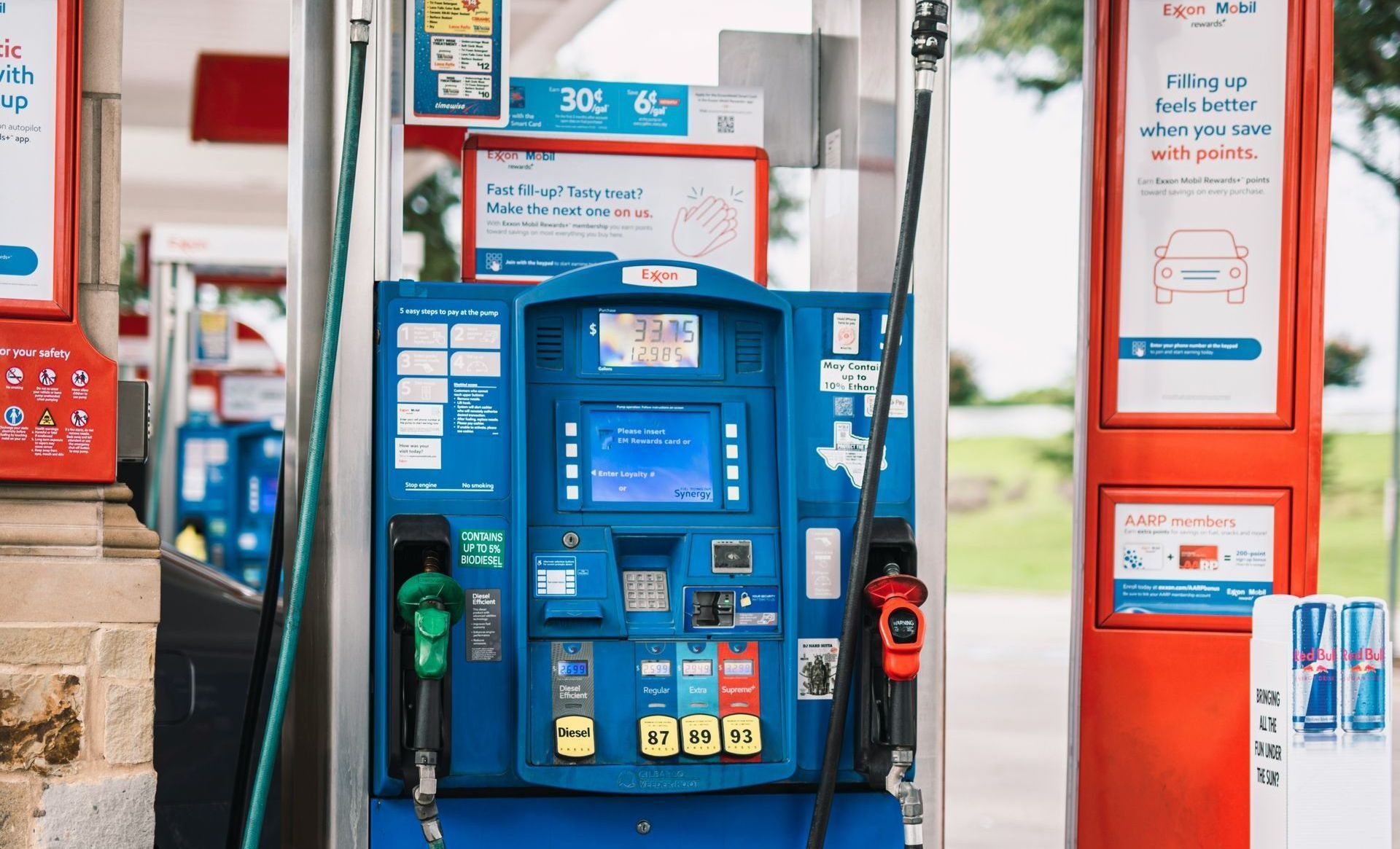
Gasoline, the fuel that powers most vehicles, is available in different grades, primarily based on octane ratings. Regular gas usually has an octane rating of 87, whereas premium gas has a higher rating, typically around 91 to 93. But what does this mean for your car?
The octane rating measures a fuel’s resistance to knocking or pinging during combustion. Higher octane fuels better resist knocking, which is crucial for certain engines.


Here’s a brief comparison of premium and regular gas:

  • Premium Gas: Higher octane rating (91-93), recommended or required for high-performance or luxury vehicles, more expensive.
  • Regular Gas: Lower octane rating (87), suitable for most standard vehicles, less expensive.


Choosing between premium and regular gas can affect your car’s performance and longevity. It’s not just about the cost at the pump. Understanding these differences is the first step in making an informed decision for your vehicle.


The Science of Octane Ratings and Engine Performance

Octane ratings indicate a fuel’s ability to resist 'knock'. 'Knock' or 'pinging' is a rattling noise caused when the fuel-air mixture in the cylinders detonates in multiple places simultaneously. This multiple detonation can damage the engine’s cylinder walls and pistons. High-octane fuel, such as premium gas, can withstand higher compression before detonating, preventing this harmful knocking. 


In high-compression engines, typically found in high-performance or luxury vehicles, the air-fuel mixture is compressed more before ignition. This results in more power and efficiency but requires a fuel that can handle the increased pressure. Using lower octane fuel in a high-compression engine can lead to knocking, reducing engine performance and potentially causing damage over time. That’s why these engines often require or recommend premium gas.

High-Compression Engines and Premium Fuel

High-compression engines, commonly found in premium cars, compress the air-fuel mixture more before ignition, resulting in more power and efficiency. However, this increased compression requires a fuel that can withstand the pressure. That’s where premium gas comes in. Its higher octane rating means it can resist knocking even under high compression.


Using a lower octane fuel in a high-compression engine risks engine knocking, which can reduce performance and potentially cause damage over time. That’s why high-compression engines often require or recommend premium gas.


Risks of Using Regular Gas in Premium Cars

Using regular gas in a car designed for premium fuel can lead to several issues. The most immediate risk is engine knocking, a rattling noise caused by premature ignition of the air-fuel mixture in one or more cylinders. Over time, engine knocking can cause significant wear and tear on engine components, potentially leading to engine damage and reducing the lifespan of your car.


Moreover, using regular gas in a premium car can affect performance. You may notice slower acceleration or less smooth operation because the engine isn’t running as efficiently as it could with the correct fuel. Additionally, using the wrong fuel can void your car’s warranty. Many manufacturers specify the type of fuel in the owner’s manual, and ignoring these recommendations could lead to costly repairs.


The Role of Fuel Injectors in Engine Performance

Fuel injectors are crucial to an engine’s performance. They deliver precise amounts of fuel into the combustion chamber for efficient ignition. In high-compression engines, often found in premium cars, the function of fuel injectors becomes even more critical. Ensuring the correct fuel injector is paired with the appropriate fuel type can optimize engine performance and prevent issues like engine knocking. Understanding the importance of fuel injectors helps car owners make informed decisions about fuel choices for their vehicles.


Can Your Car Adjust to Regular Fuel?

Modern cars come with engine control units (ECUs) that can adjust to different fuel types. These ECUs can change the timing of the spark plug to prevent engine knocking, meaning that using regular gas in a premium car might not cause immediate damage. However, this doesn’t mean it’s advisable to always use regular gas in a premium car. The ECU’s adjustments have limits, and over time, using lower octane fuel can still reduce performance and cause potential engine damage. While your car might adjust to regular fuel in the short term, it’s not a long-term solution. It’s best to use the fuel recommended by your car’s manufacturer.


The Role of the Owner’s Manual and Manufacturer Recommendations

Your car’s owner’s manual is an essential resource, providing specific recommendations on the type of fuel to use. These recommendations are based on extensive testing by the manufacturer. Ignoring these guidelines can lead to reduced engine performance and potential damage, and may also void your car’s warranty. This is especially true for premium cars requiring high-octane fuel. Always consult your owner’s manual before deciding on the type of fuel to use to ensure optimal performance and longevity for your car’s engine.

Cost-Benefit Analysis: Premium Gas and Long-Term Engine Health

Premium gas is more expensive than regular fuel, but the long-term benefits may outweigh the initial cost. High-octane fuel can enhance engine performance and longevity. Using regular gas in a premium car may lead to engine knocking, causing significant engine damage over time. The cost of repairing such damage can be much higher than the savings from using regular gas. In conclusion, consider your engine’s long-term health when choosing between premium and regular gas. The extra cost of premium gas could be a worthwhile investment for your vehicle’s longevity.

Finding the Right Fuel: Premium and Regular Gas Stations Nearby

Finding a gas station offering both premium and regular fuel is usually not difficult. Most gas stations provide a variety of fuel types to cater to different engine requirements. Remember, the right fuel for your car is not just about availability or cost; it’s about maintaining your engine’s performance and longevity. 

Conclusion: Making an Informed Decision on Fuel Choice

Choosing between premium and regular gas for your car should be based on your vehicle’s specific needs. Always refer to your owner’s manual for the manufacturer’s recommendations. Consider the long-term health of your engine and the potential cost implications. Using the wrong fuel type could lead to engine damage over time, which can be far more costly than the savings at the pump. Ultimately, the choice between premium and regular gas should be an informed decision. Understanding the science behind fuel types and their impact on engine performance can help you make the best choice for your vehicle.

Recent Posts

Loading posts…

Appointments

Schedule an appointment with Fox Track

SHARE THIS

Latest Posts

A man is working on a car wheel with a wrench
May 6, 2026
When it comes to car maintenance, your tires are often overlooked, but they are one of the most critical components of your vehicle. Good tires not only enhance driving safety but also improve fuel efficiency, handling, and overall driving comfort.
A bunch of tires are stacked on top of each other on a rack.
May 5, 2026
Choosing the right tires is one of the most critical decisions you'll make for your vehicle. Tires directly affect your car’s performance, safety, and fuel efficiency. With so many options on the market, it can be overwhelming to find the right set.
A man is holding a car wheel in front of a wall of wheels.
May 5, 2026
When it comes to the performance, safety, and aesthetics of your car, one often-overlooked but crucial component is the wheel. Car wheels serve not only as the foundation for movement but also play a significant role in handling, fuel efficiency, and overall driving experience. In this blog, we’ll dive deep into everything you need to know about car wheels, from their construction to how to choose the best ones for your vehicle.
Close-up of a car brake rotor and caliper inside a wheel well during maintenance
April 17, 2026
Learn the most common Jeep Grand Cherokee brake problems, warning signs, and repair solutions. Expert brake service from All Car Shop Inc.

Blue Honda sedan parked outside a modern dealership building
March 14, 2026
Need Honda Accord brake repair in Kissimmee, FL? All Car Shop offers professional brake inspections, pad replacements, and complete brake service. Schedule today.

White pickup truck driving past brick buildings on a city street at dusk
February 10, 2026
Learn the warning signs of a failing alternator on your Chevrolet Silverado and how All Car Shop in Lutz, FL can help keep your truck’s electrical system reliable.
Mechanic inspecting a car brake rotor and caliper with hands in an auto repair shop
January 18, 2026
Learn the most common Toyota Camry brake problems, warning signs, and when to schedule brake repair. Trusted Camry brake service at All Car Shop Inc.
Stack of black car tires with visible tread patterns on a rack, close-up view
December 16, 2025
Need brake or tire service for your Jeep Grand Cherokee? Learn warning signs, service benefits, and schedule expert brake and tire care at All Car Shop Inc.
Worker in blue coveralls using a tool on a metal part in an industrial workshop.
December 1, 2025
Experiencing vibration or pulling in your Volkswagen Jetta? Learn when you need alignment or suspension repair and schedule service at All Car Shop Inc.
Close-up of a dirty metal engine component with bolts and hoses
November 2, 2025
Noticed oil spots under your Toyota? All Car Shop in Kissimmee, FL specializes in Toyota oil leak repairs for Camry, Corolla, and RAV4 models. Schedule service today!

Show More